


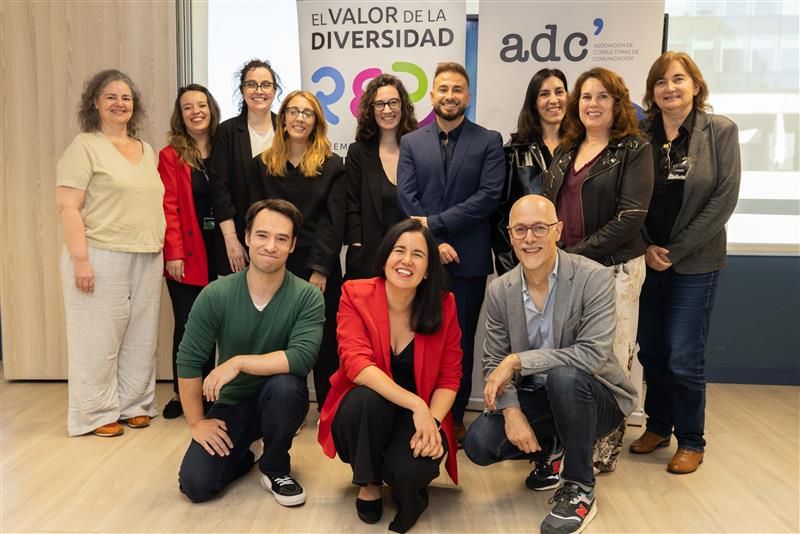
We took part in the event “Speaking the Language of Diversity”, organized by ADC and ILUNION
On October 1st, Imma Folch Lázaro, CEO of DEI Channel and LF Channel, participated in the event on inclusive language hosted by the Association of Communication Consultancies (ADC) and ILUNION. The session brought together communication professionals to reflect on how language influences the creation of more inclusive, equitable, and representative corporate cultures.
During her talk, Imma shared her perspective on the evolution of language—from non-sexist to truly inclusive language—and its transformative role in building environments where everyone feels seen and valued. She also presented real-life corporate communication examples, highlighting both successes and common mistakes, and offered practical tools to move toward a more mindful and respectful use of language.
Inclusive language as a tool for cultural transformation
Language doesn’t just communicate, it shapes perceptions, relationships, and social structures. In the business world, it has a direct impact on how organizations express their values, represent people, and foster a sense of belonging.
Working toward inclusive language goes beyond formal correctness: it involves reviewing words, images, and messages with an inclusive lens that embraces cultural, generational, functional, and gender diversity. The goal is to promote communication that reflects the plurality of today’s society.
According to Kantar Media’s Brand Inclusion Index, 8 out of 10 consumers in Spain say that diversity and inclusion influence their purchasing decisions. A figure that shows inclusive communication is not only an ethical issue, but also a strategic one.
An LGTBIQ+ perspective in corporate communication
The event also featured Óscar Muñoz and Juanfran Velasco, representatives of REDI (Business Network for LGBTI Diversity and Inclusion), who addressed language from an LGTBIQ+ perspective, exploring key concepts such as identity, expression, and representation.
Both presentations emphasized the importance of opening up conversations that challenge ingrained habits and create space for new ways of communicating—more human, diverse, and aligned with values of equality and respect.
Key principles for inclusive communication
Durante la sesión, se compartieron algunas pautas prácticas para avanzar hacia una comunicación más During the session, several practical guidelines were shared to help organizations improve their communication:
- Use language that makes everyone visible, avoiding generalizations and stereotypes.
- Review images and visual content to ensure diverse and respectful representation.
- Adapt messages to different audiences, respecting their identities, contexts, and experiences.
- Ensure coherence between external communications and the internal culture of the organization.
Because the best communication isn’t just the one that delivers a message—it’s the one that sparks necessary conversations and helps build more empathetic and equitable environments.
Our commitment
At DEI Channel, we support organizations that want to review their communication from an inclusive perspective. We help identify bias, develop inclusive style guides, and train teams to use language in a responsible and transformative way.
We invite you to learn more about our inclusive communication consulting services. Get in touch if you want to move toward more respectful, diverse, and values-aligned communication in your organization.